
If you own land or plan to build on property that doesn’t connect to city sewer lines, you’ve likely heard of a perc test. Short for percolation test, it measures how well soil absorbs water. A passing result is required before installing a septic system in most places, including Denver and surrounding areas of Colorado. But here’s the big question: how long does a perc test stay valid, and when should you update it?
The answer isn’t always simple. Soil changes, weather, and even new building codes all play a role.
Why a Perc Test Matters
A perc test shows whether the ground on your property can handle a septic system. Many property owners ask about perc testing—how it’s actually done. The process is simple: a professional digs holes, fills them with water, and then measures how quickly the soil drains.
If the soil drains too slowly, wastewater could back up. If it drains too fast, contaminants may reach groundwater. That’s why local health departments rely on perc test results before approving building permits. In Colorado, this step is especially important in areas outside Denver city limits where many homes depend on private septic systems.
Simply put, no valid perc test means no green light for construction.
How Long Does a Perc Test Last?
Perc tests are not permanent. Most counties treat results as valid for 2 to 5 years, depending on regulations. For example, some parts of Colorado require retesting after only two years, while others accept older results if the land hasn’t changed.
Here’s the catch: even if your test is still on record, you may need a new one if you plan to split a lot, sell property, or submit new building plans. It’s always smart to confirm the rules with your county health department before moving forward.
What Can Change Soil Conditions?
Soil isn’t fixed. It changes more than people think, and that’s why a perc test can expire sooner than expected. Several factors play a role:
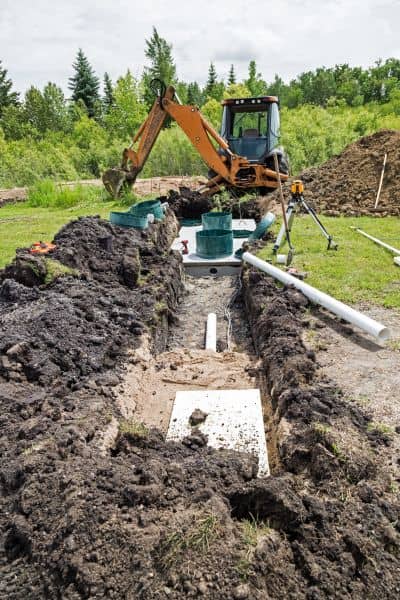
- Land grading or excavation – If heavy equipment has reshaped the land, the soil structure may be different.
- Erosion and compaction – Denver and nearby foothill communities often see shifting soil due to snowmelt and seasonal rains. This can tighten soil layers or wash fine material away.
- Water table changes – Years of drought or heavy rainfall can raise or lower groundwater levels, affecting absorption.
- Construction nearby – If new roads, homes, or drainage systems have been built around your property, your soil conditions may no longer match your old test results.
These changes show why relying on a perc test from years ago can be risky.
When Should You Update Your Perc Test?
Wondering if it’s time for a retest? Here are some common situations:
- More than 2–5 years have passed. Even if nothing changed, many counties won’t accept results past this timeframe.
- You plan to sell or subdivide land. Buyers, lenders, and officials usually want current records.
- You’re updating or expanding your home. Adding bedrooms or converting land use often triggers new testing.
- Soil conditions look different. Standing water, flooding, or drainage issues nearby may mean the old test no longer reflects reality.
For landowners in outer suburbs, these updates can make the difference between an easy permit process and costly delays.
Why Staying Current Matters
An up-to-date perc test protects you from surprises. Imagine buying land, planning your dream home, only to learn your old test isn’t valid. Suddenly you’re facing delays, extra costs, and possible redesigns.
By keeping your perc test current, you:
- Avoid stalled projects.
- Protect property value.
- Stay compliant with local health codes.
- Give future buyers confidence.
Think of it as an insurance policy against red tape.
Best Practices for Homeowners and Developers
So, how do you stay ahead of the game? Here are a few practical tips:
- Keep your records organized. Store copies of your original perc test results with property documents.
- Check local rules first. In Denver and across Colorado, counties like Jefferson, Douglas, and Arapahoe may set their own time limits.
- Plan for testing early. If you know a project is coming, schedule the test before submitting permits.
- Consult professionals. A licensed surveyor or septic designer can advise if your old results are still good or if you need retesting.
- Budget for it. Adding a retest into your project plan is cheaper than dealing with delays later.
Final Thoughts
A perc test isn’t something you check off once and never revisit. Land is alive — soil shifts, water levels rise and fall, and local rules evolve. That’s why it makes sense to revisit your test every few years, especially if you’re planning construction, selling property, or splitting a lot.
Relying on an outdated perc test can slow down projects and add stress you don’t need. Staying current, on the other hand, gives you peace of mind and keeps your property plans on track.
If you’re unsure about the status of your test, take the time to check in with local experts. It’s a simple step that can save you delays and help you move forward with confidence.