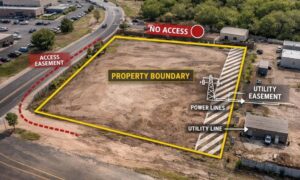

Cities grow when people build new homes, roads, and businesses. Growth can also bring debate. People worry about traffic, noise, or how new buildings may change their neighborhood. Recently, a development issue in Colorado Springs caused strong public reaction and political tension. The situation also showed something important for developers and property owners. At the center of many development problems is one key factor: project management. It plays a big role in how projects stay organized, especially during planning, design, and city approvals.
When teams plan well, talk early, and manage risks, projects move forward smoothly. However, when project management fails, even a good development idea can face delays or controversy. The recent events in Colorado Springs show how important project management is in land development.
Development Projects Affect More People Than You Think
Most development projects start with a vision. A developer sees a chance in a piece of land. An engineer designs how the project will work. City planners review the plan. Later, construction crews built the project.
However, the process rarely stays simple.
A new project affects many people. Nearby homeowners may worry about traffic. Local businesses may think about how the project could change their customers. City leaders must think about growth, roads, and city rules.
Because many people care about the outcome, strong project management must guide the process early. Teams should understand concerns early. Then they can fix problems before they grow.
However, when projects move forward without early communication, people may feel surprised or ignored. Frustration can grow quickly. Small concerns can turn into strong opposition. As a result, the approval process may take longer.
Why Timing Matters in Project Management
Land development follows a clear path. First comes early planning. Next, engineers prepare designs for roads, drainage, utilities, and grading. After that, the project enters city review. Public meetings may follow. Then construction can begin.
Each step depends on the step before it.
If the planning stage misses something important, the timeline can change. For example, a project may enter city review without solving traffic concerns. The city may ask for changes. Engineers may need to adjust drawings. They may also need to add more studies.
Because of this, the project schedule may grow longer than expected.
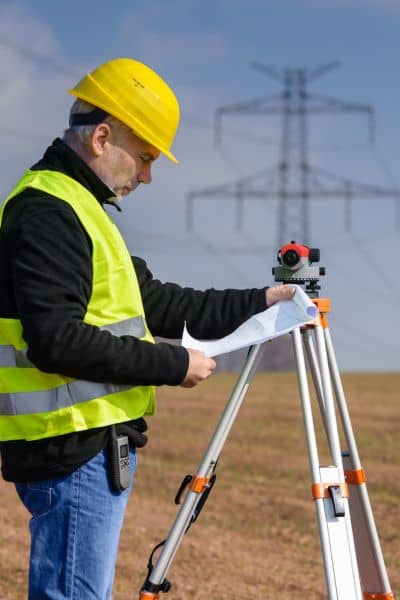
This is why project management matters so much. Good project management focuses on preparation. Teams prepare before the review process begins. They study the site and often start with a professional land survey to understand property boundaries, elevation, and other site conditions. They also check local rules and talk with city staff early.
When teams prepare early, the review process often moves faster.
Community Trust Matters More Than Many Developers Expect
Many developers focus on the technical side of projects. Engineering plans must follow strict rules. Drainage systems must work well. Roads must stay safe.
All of these things matter.
However, the recent situation in Colorado Springs shows that community trust also matters.
Residents want to know how a project will affect their daily lives. They may ask questions about traffic. They may ask about stormwater drainage. They may also ask how new buildings will fit into the area.
When project teams explain their plans clearly, people often feel more comfortable. They may still ask questions. However, they understand the goal of the project.
However, when information comes late or communication feels unclear, people may worry more. Trust becomes harder to rebuild.
Strong project management helps prevent this problem. Project managers guide communication with city staff, engineers, and sometimes the public. Because of this, fewer misunderstandings happen.
Engineering Alone Cannot Save a Project
Many people think engineering design decides if a project succeeds. In reality, engineering is only one part of the process.
A project may have strong engineering plans and still face problems.
Permits may take longer than expected. Teams may struggle to coordinate design changes. Public concerns may lead to more review meetings.
These problems often come from weak coordination, not bad engineering.
That is why project management plays an important role. Project managers connect everyone involved in the project. They track schedules. They plan meetings. They keep engineers, planners, and contractors working together.
Without this coordination, confusion can grow quickly.
City Approvals Often Show Project Management Problems
City approvals can be one of the hardest parts of development. Projects often need review from several city departments. Planning staff may check zoning rules. Engineering teams review drainage systems and road access. Transportation experts study traffic impacts.
Each department looks at the project in a different way.
If project teams send incomplete information, the city may ask for changes. Engineers must revise plans. Then the city reviews the plans again.
Without strong project management, this process can repeat many times.
Experienced teams take a better approach. They coordinate engineering work before sending plans to the city. They also talk with city staff early to understand expectations.
Because of this, many problems get solved before the review process begins.
Strong Project Management Protects Development Investments
Land development requires a large investment. Developers often spend money on land, engineering design, and city approvals before construction begins.
Delays can raise these costs.
Holding land longer can increase financing costs. Design changes can add consulting fees. Construction schedules may move later.
However, strong project management helps protect these investments.
A well-managed project stays organized from beginning to end. The project manager tracks deadlines and approvals. They also manage communication between teams. Engineers, consultants, and contractors work with the same information.
Because of this structure, projects move forward with fewer surprises.
The Bigger Lesson for Developers and Property Owners
The recent development debate in Colorado Springs shows an important truth about development.
Projects succeed when teams manage more than engineering design.
They must also manage people, expectations, schedules, and risks.
This is what project management provides. It connects engineering knowledge with planning strategy and communication.
When these parts work together, development projects move from early ideas to finished construction more smoothly.
For developers and property owners, strong project management can make the difference between a project that moves forward and one that struggles to move ahead.