When news broke that Colorado Springs issued zero apartment permits in July and August 2025, many people focused on what it meant for renters and developers. But there’s another side to the story—how this sudden pause affects the survey crews who set projects in motion. A construction staking survey is one of the first steps before any concrete is poured or walls go up. When the permit flow dries up, so does the demand for this critical service.
Why Permits and Staking Surveys Are Connected
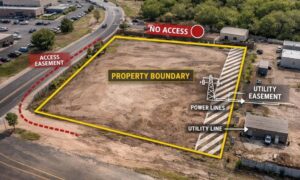
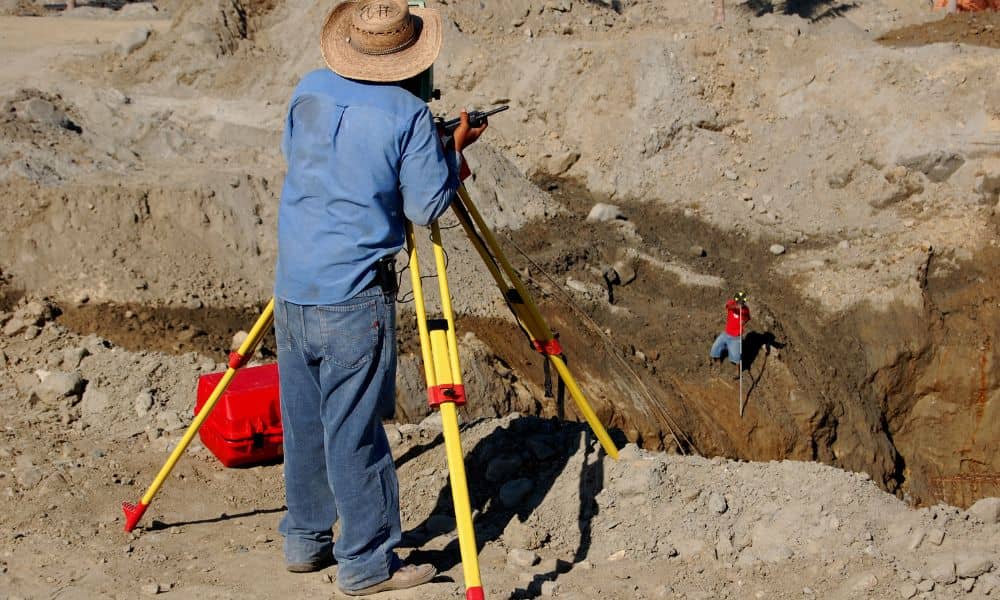
In Colorado Springs, every big apartment project starts with a long list of approvals. Once permits are secured, surveyors head to the field to stake the property. This means they use advanced tools to mark the exact location of foundations, utilities, and property lines. Without those stakes, contractors can’t break ground with confidence.
So when the city’s permit numbers suddenly dropped to zero this summer, surveyors felt it almost instantly. The big multifamily jobs that usually keep staking crews busy vanished from the calendar. It wasn’t just about numbers—it was a clear signal of how cautious developers had become. Rising interest rates, higher costs, and ongoing lawsuits around apartment projects made many builders hit pause.
What the Slowdown Means for Survey Crews
Construction staking surveys are closely tied to new construction starts. If there are no permits, surveyors pivot to smaller projects. Instead of staking massive apartment complexes, they may shift to:
- Infill housing on single lots
- Subdivisions with fewer units
- Commercial remodels and parking areas
- Public infrastructure like roads, drainage, and utilities
This change doesn’t mean staking surveys are less important. It shows how flexible surveyors have to be when the market shifts. A staking survey for a garage addition or small subdivision may not sound as exciting as a 200-unit apartment complex, but accuracy still matters. Builders rely on those survey stakes to keep projects aligned with property boundaries and city codes.
How Staking Surveys Reflect Market Trends
Think of staking surveys as a mirror of construction activity. When crews are busy staking large sites, the market is hot. When activity slows, it’s often the first visible sign of trouble in development pipelines.
That’s exactly what happened this summer. Surveyors knew something was off even before the headlines hit. Crews had more gaps in their schedules, and requests for apartment staking jobs dried up. This made it clear that developer confidence had shifted.
On the flip side, due diligence and ALTA surveys stayed steady. Developers may pause construction, but they still need to study land, prepare financing, and keep options open. Staking is different—it’s a “go” signal. Without permits, the green light never flashes.
The Ripple Effects for Contractors and Developers
The permit freeze doesn’t just affect surveyors. Contractors and developers also feel the impact in several ways:
- Faster turnaround times: With fewer big projects, staking crews can often schedule smaller jobs sooner.
- Lower pressure on inspectors: The Pikes Peak Regional Building Department (PPRBD) sees fewer applications, which can shorten review cycles.
- Opportunities for small builders: Contractors focused on single-family homes or light commercial projects can benefit from more surveyor availability.
For developers still moving forward, this is actually a window of opportunity. Instead of fighting for surveyor schedules, they can line up staking services without long waits.
Using the Slowdown to Get Ahead
A market pause doesn’t have to mean wasted time. In fact, it’s the perfect chance for proactive planning. Developers and contractors can use this moment to:
- Pre-order construction staking surveys so they’re ready when permits start flowing again.
- Fine-tune site plans with fresh topographic or elevation surveys.
- Address easements or drainage issues before construction resumes.
This downtime can save money later. When permits rebound, staking crews will be booked solid again. Locking in services early helps avoid delays when the market swings back.
Why Staking Surveys Still Matter in Public Projects

While private apartment development may be on pause, public projects continue. The city and county still invest in roads, water lines, and stormwater systems. Each of these jobs depends on staking surveys. Without accurate stakes, utility crews risk misalignment, and contractors risk costly rework.
This steady flow of infrastructure work keeps many surveyors employed even when housing permits hit a wall. It also shows that staking surveys are more than just a private-sector need—they’re a backbone of community development.
Preparing for the Rebound
Permit freezes rarely last forever. History shows that once financing eases and legal concerns are resolved, developers rush back into the market. That means surveyors need to be ready for a sudden surge in staking requests.
For contractors and developers, the lesson is simple: don’t wait. If you know a project is coming, schedule your staking survey now. When the rebound happens, crews will be in high demand, and lead times will stretch again. Acting early can keep your project on track when the rush returns.
Final Thoughts
The headline “apartment permits hit zero” may sound like bad news for Colorado Springs, but it’s also a reminder of how important surveyors are to the building process. A construction staking survey isn’t just a technical step—it’s the foundation of every successful project.
Right now, developers and contractors have a rare chance to get ahead. With more surveyor availability and shorter turnaround times, this is the moment to prepare sites, lock in services, and plan for the rebound.
When the market picks up again, those who acted early will be building while others are still waiting for their survey stakes to go in the ground.