
Denver just hosted one of the biggest geospatial events in the country — Geo Week 2026. For most people, that might sound like just another industry conference. However, for developers, engineers, contractors, and city planners, it signals something much bigger. It shows that mapping technology is moving fast — and Denver sits right at the center of that momentum. As national leaders gather here to showcase new scanning systems, faster workflows, and smarter data solutions, expectations shift. As a result, the standard for LiDAR mapping Denver projects continues to rise. Projects that once worked with basic elevation data now demand sharper detail, quicker turnaround, and stronger reliability.
So what does that really mean for your next project?
Denver Is Becoming a Geospatial Innovation Hub
When a major event like Geo Week comes to town, it brings more than booths and product demos. It brings attention. It also brings competition. Companies across the country look at Denver and see growth — new developments, transportation upgrades, infrastructure expansion, and mixed-use construction.
Because of that growth, mapping plays a bigger role than ever before.
Developers want answers earlier. Engineers need better terrain models. Investors expect fewer surprises. Therefore, mapping must deliver stronger data at the very beginning of a project — not halfway through design.
Geo Week highlighted that shift clearly. Faster sensors, improved processing systems, and tighter integration with design platforms all point in one direction: projects cannot afford outdated mapping methods anymore.
Client Expectations Are Changing Fast
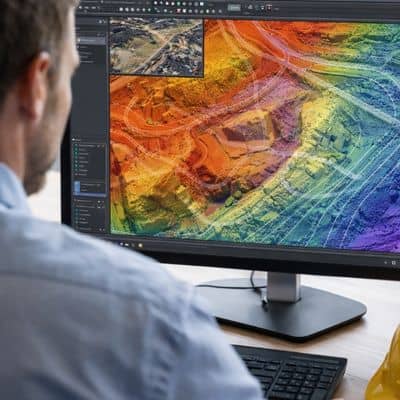
In the past, many projects treated mapping as a starting requirement — something to check off before design began. Today, that mindset no longer works.
Instead, mapping drives decisions.
For example, developers now want site feasibility answers before they commit serious money. They ask questions like:
- Will grading costs increase?
- Are there hidden terrain issues?
- Does drainage create risk?
They want those answers quickly. Otherwise, delays cost money.
At the same time, civil engineers need base data that reduces redesign. When mapping lacks precision, engineers spend more time correcting plans. That slows permits and construction. As Denver grows, timelines shrink. Therefore, mapping services must move faster while maintaining detail.
Because of this shift, LiDAR mapping Denver professionals provide today must meet higher standards than even two years ago.
Denver’s Growth Raises the Stakes
Denver continues to expand outward and upward. Suburbs stretch further. Land values increase. Infrastructure upgrades move forward. Consequently, mistakes cost more than ever.
If grading runs off by even a small amount, change orders follow. If drainage modeling lacks accuracy, construction crews must fix it later. If terrain data arrives late, design schedules slip.
Geo Week discussions made one thing clear: project teams want to prevent those risks early.
That is where modern LiDAR mapping plays a powerful role. It reduces uncertainty before construction starts. Moreover, it supports better budgeting and stronger forecasting.
As land becomes more valuable, reliable mapping turns into a financial safeguard — not just a technical step.
Speed Now Matters as Much as Accuracy
Accuracy always matters in mapping. However, speed now carries equal weight.
Geo Week vendors emphasized workflow acceleration. Field teams collect data faster. Processing tools turn raw scans into usable terrain models quicker. Teams integrate data into design platforms without long delays.
Why does that matter locally?
Because Denver development moves quickly. When permit windows tighten and contractor schedules fill up, waiting weeks for mapping data no longer makes sense. Faster turnaround allows engineers to move into grading plans sooner. It also helps developers make go-or-no-go decisions without dragging out feasibility studies.
As a result, modern LiDAR mapping Denver providers focus on both detail and delivery time.
Competition Is Raising the Bar
Whenever industry leaders gather in one city, local firms take notice. Companies see what others offer. They also see how quickly technology evolves.
That pressure improves the market.
Firms that upgrade their equipment and workflows gain an advantage. Meanwhile, firms that stay behind risk falling out of step with client expectations.
Denver’s competitive environment already pushes teams to deliver high-quality work. Now, after Geo Week, that push grows even stronger. Clients start asking sharper questions. They compare providers more carefully. They expect confidence, not guesswork.
Therefore, mapping providers must align with national industry standards while understanding local terrain and project needs.
What This Means for Your Next Project
If you plan a development, roadway improvement, or infrastructure upgrade, you should think differently about mapping.
Instead of asking, “Do we need mapping?” consider asking:
- How early can we get detailed terrain data?
- Can mapping reduce change orders later?
- Will faster delivery help us secure permits sooner?
- Does our mapping partner understand Denver’s growth pace?
Those questions reflect the new reality.
Mapping now supports financial planning. It strengthens design accuracy. It reduces downstream risk. Additionally, it improves communication between project teams.
When Geo Week shines a spotlight on innovation, it reminds everyone that technology keeps moving forward. Denver projects cannot afford to stand still.
Denver Is Not Just Hosting Innovation — It’s Applying It
Geo Week 2026 showed that mapping technology continues to advance quickly. More importantly, it showed that Denver plays a key role in that progress.
As infrastructure expands and development increases, precision and speed matter more each year. Because of that, LiDAR mapping Denver professionals must keep pace with national advancements.
The good news? Denver sits at the forefront of this change. Local teams understand the terrain, the regulations, and the growth patterns. When they combine that local insight with modern mapping tools, projects gain clarity from day one.
Ultimately, better mapping leads to better decisions. Better decisions reduce risk. And reduced risk protects budgets, schedules, and long-term project success.
Geo Week may last only a few days. However, its impact on Denver’s mapping standards will shape projects for years to come.
If your next project depends on accurate terrain data, now is the time to align with the momentum.