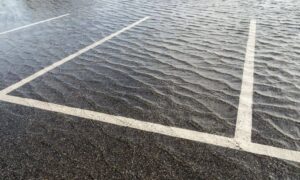
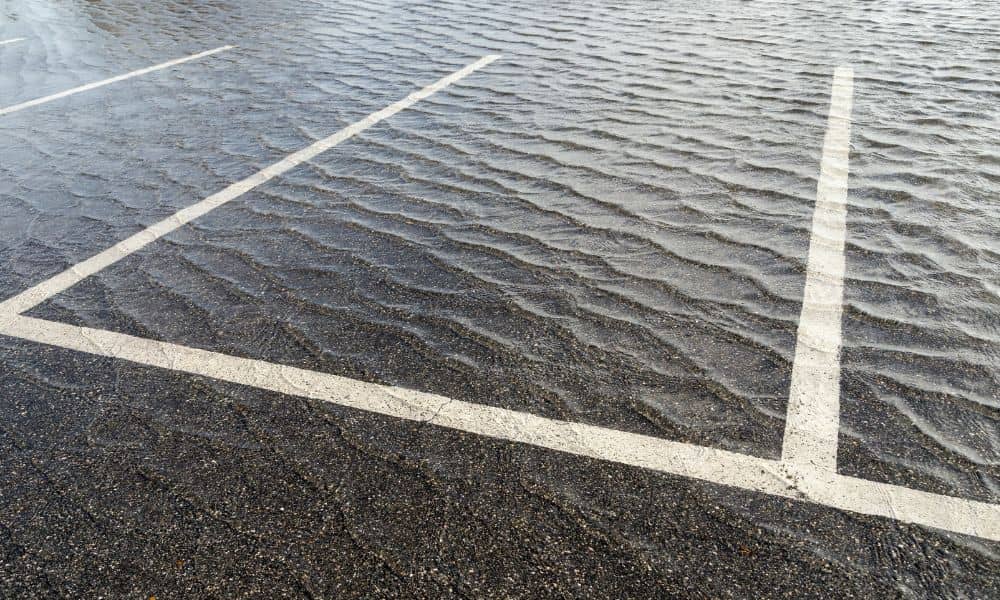
When a small commercial site opens, everything often looks fine. The pavement feels smooth. The landscaping looks clean. Water drains away during light rain. Still, months or even years later, problems begin to show. Puddles form near entrances. Pavement cracks sooner than expected. In winter, ice appears in the same spots again and again. Most owners think these problems come from age or poor upkeep. In many cases, they actually come from early drainage design decisions made long before the site opened.
Why Small Commercial Sites Feel Drainage Problems First
Small commercial sites work with limited space and tight budgets. Designs often meet only basic rules. Because of this, drainage systems leave little room for error.
Unlike large sites, small properties cannot spread water over wide areas. Every slope, drain, and pipe must work well together. When one part fails, the whole site feels it. Over time, small problems turn into ongoing issues for owners and tenants.
Grading Choices Shape Water Flow for Years
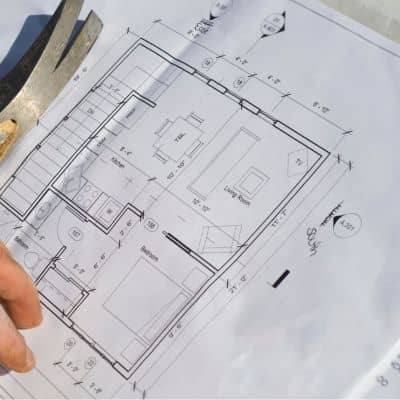
Grading looks simple on drawings. Arrows show water flow. Slopes meet code. Still, grading controls how water moves across the site.
When grades stay too flat near buildings, water slows down. Puddles then form during heavy rain. On the other hand, slopes that seem fine at first may send water across sidewalks or parking areas after surfaces settle.
These grading choices rarely cause problems right away. Instead, they show up after years of weather and use. At that point, fixing grades often means cutting pavement and moving curbs.
When Meeting the Minimum Creates Future Problems
During permitting, many projects aim to pass review quickly. Engineers design systems that meet the rules but leave little extra capacity.
This saves time early. However, it raises risk later. Drainage design that works only under ideal conditions struggles once debris builds up or storms get stronger. Over time, systems that once worked begin to fail.
Hidden Drainage Systems Hide Growing Issues
Most drainage systems sit underground. Pipes and structures stay out of sight after construction. Because of this, small problems often go unnoticed.
For example, a partly blocked pipe may still carry water during light rain. During heavy storms, it backs up. Water then rises through drains or flows across pavement where it should not.
When access points are limited, crews cannot inspect or clean systems easily. As a result, small issues grow into costly repairs.
Drainage Design Affects Pavement Life
Water damages pavement faster than traffic alone. When water sits under asphalt or concrete, it weakens the base. Over time, this causes cracks and sinking.
In cold areas, the damage gets worse. Water freezes and expands. Each winter adds more stress. Eventually, owners face repeated repairs or full replacement.
Good drainage design moves water away quickly. Poor drainage shortens pavement life, even when construction quality is good.
Drainage Paths Change After Construction
Drainage plans assume everything gets built exactly as designed. In real life, small changes happen. Curbs shift. Pavement slopes vary. Landscaping redirects water.
Each change seems minor. Together, they can change how water flows. Runoff may collect in new areas or miss drains completely.
Without strong drainage design that allows for these changes, problems grow over time.
Maintenance Often Gets the Blame
When drainage problems appear, maintenance crews often get blamed. While upkeep matters, it cannot fix every design issue.
Crews can clean drains. They cannot fix pipes that are too small or slopes that point the wrong way. They can remove debris. They cannot change how water flows across the site.
Knowing this helps owners make better decisions. Instead of repeating repairs, they can look at design changes that solve the real problem.
Real Problems Owners Feel Over Time
Drainage issues rarely stay small. Over time, they affect daily use of the site.
Tenants complain about wet walkways. Customers avoid flooded parking areas. Slip risks increase. Emergency repairs interrupt business and raise costs.
Each issue alone may seem manageable. Together, they create long-term stress tied to early drainage design choices.
When to Revisit Drainage Design
Many owners wait too long to address drainage issues. Still, early review often saves money.
Warning signs include repeated puddles, repairs in the same spots, or problems that worsen each year. When these patterns appear, reviewing drainage design helps find the real cause.
Civil engineers can study how water moves today and compare it to the original plan. From there, they can suggest focused fixes without rebuilding the entire site.
Drainage Design Is a Long-Term Investment
Drainage design does not end when construction finishes. It shapes how a site performs for many years. Early choices affect safety, costs, and property value long after opening day.
For small commercial sites, good drainage design protects more than pavement and pipes. It protects daily operations, tenants, and long-term value. When owners treat drainage as lasting infrastructure instead of paperwork, their sites perform better.
In the end, water always follows the easiest path. Smart drainage design makes sure that path leads away from problems—not straight into them.