If you’ve ever asked, “Where does my property really end?”—you’re not alone. Whether you’re installing a fence, buying land, or starting construction, knowing your property boundaries isn’t just smart—it’s essential. That’s where a boundary survey comes in.
In a state like Colorado, where property lines can follow hills, rivers, and century-old plats, accurate boundary identification protects you from legal trouble, neighbor disputes, and costly mistakes.
What Is a Boundary Survey, and Why Is It So Important?
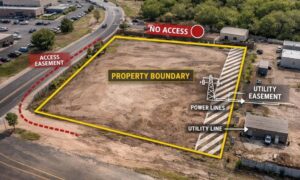
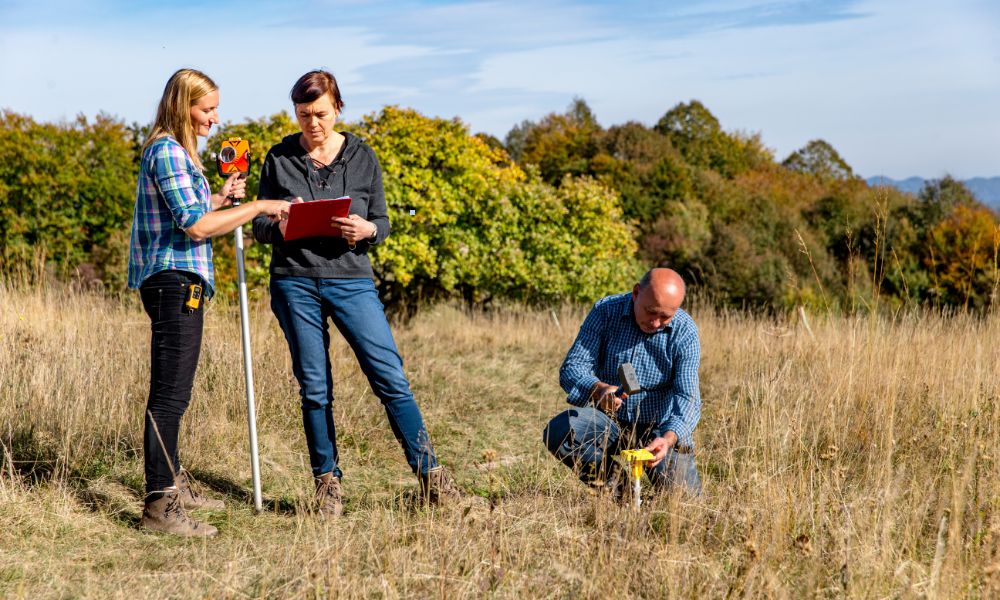
A boundary survey is a professional service performed by a licensed land surveyor to define the exact legal boundaries of a property. This is done using a combination of:
- Historical land records and deeds
- Surveying tools and GPS technology
- Physical markers placed at key property corners
Think of it as drawing an official line in the sand—literally.
Why It Matters:
- Prevents building on someone else’s land
- Supports permit applications and zoning compliance
- Resolves or avoids property line disputes
- Verifies acreage before buying or selling land
- Ensures your improvements (fences, garages, decks) are within your lot
Common Situations When You Need a Boundary Survey
Colorado’s dynamic terrain and mix of urban, suburban, and rural land uses mean there are many times you might need a boundary survey:
🏡 For Homeowners:
- Installing a fence or retaining wall
- Building an addition or detached garage
- Selling or subdividing part of your land
- Dealing with a neighbor over property line questions
🏗️ For Developers:
- Planning a residential or commercial build
- Preparing legal documents for subdivision
- Verifying land dimensions for zoning or financing
- Acquiring permits from municipalities
Even if you’re just planting trees near the edge of your property, a boundary survey in Colorado helps you do it with confidence.
Real-Life Example: Avoiding a Fence Dispute in Boulder
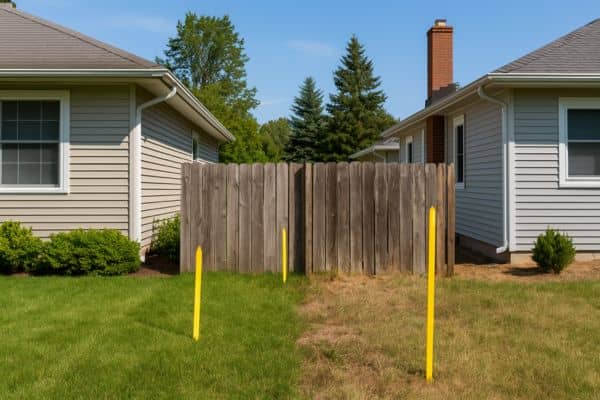
A homeowner in Boulder wanted to install a privacy fence along the side of their property. A quick boundary survey revealed that the original property pins were several feet off from the assumed fence line—meaning the neighbor’s shed actually encroached.
Thanks to the survey, they avoided placing the fence on the neighbor’s property and instead used the documented results to start a respectful boundary correction discussion. Without the survey, they could’ve faced legal costs or had to tear down the fence later.
What’s Included in a Boundary Survey?
While every surveyor may approach the job slightly differently, most boundary surveys include:
- Research of deeds and plats
- On-site measurements using total stations and GPS
- Identification and marking of property corners
- Survey map or plat showing boundary lines, dimensions, and reference points
- Optional legal documentation or certification for permit or title use
How Long Does a Boundary Survey Take?
- Residential properties: Usually 1–2 weeks depending on lot complexity and weather
- Large/rural parcels: May take several weeks due to travel, topography, or unclear deed records
- Urban lots: Faster, but sometimes require coordination with public records or prior plats
How Much Does a Boundary Survey Cost in Colorado?
Costs vary, but here’s a general range:
| Property Type | Estimated Cost Range |
| Small residential lot | $500–$1,200 |
| 1–5 acre rural lot | $1,000–$2,000+ |
| Complex/irregular parcels | $2,000 and up |
What Happens If You Don’t Get a Boundary Survey?
Skipping a boundary survey can result in:
- Encroachments (like building too close to—or on—your neighbor’s land)
- Zoning violations during inspection
- Permit rejections or construction delays
- Legal disputes that cost far more than a simple survey
How to Get a Boundary Survey in Colorado
Here’s what to expect:
- Contact a licensed land surveyor with experience in your city or county.
- Provide your property deed, address, and purpose for the survey.
- Confirm whether you’ll need just boundary marking or a full drawing.
- Schedule the survey and keep clear of property corners so markers stay visible.
Need help getting started? Learn more about our land surveying services in Colorado.
Better Boundaries Mean Fewer Problems
From avoiding neighbor disputes to ensuring your new fence or garage is exactly where it should be, a boundary survey is one of the smartest investments you can make as a Colorado property owner or developer.
Don’t wait for a problem to arise—survey your property lines now and save yourself time, money, and stress later.