Colorado Springs is heading into one of its biggest construction booms in years, and it will change how land development works across the city. A recent Engineering News-Record report showed that new construction starts may jump 42% in 2025 and rise another 37% the next year. Growth this fast does not happen often, and when it does, it pushes everyone—developers, engineers, builders, and city reviewers—to work faster. It also brings new challenges that some people do not notice until their project is already delayed.
A Surge in Projects Means Faster Decisions
A large jump in construction starts can be exciting, but it also creates pressure. More developers will look for the same pieces of land, which means good sites will sell quickly. Because of this, planning early becomes more important than ever.
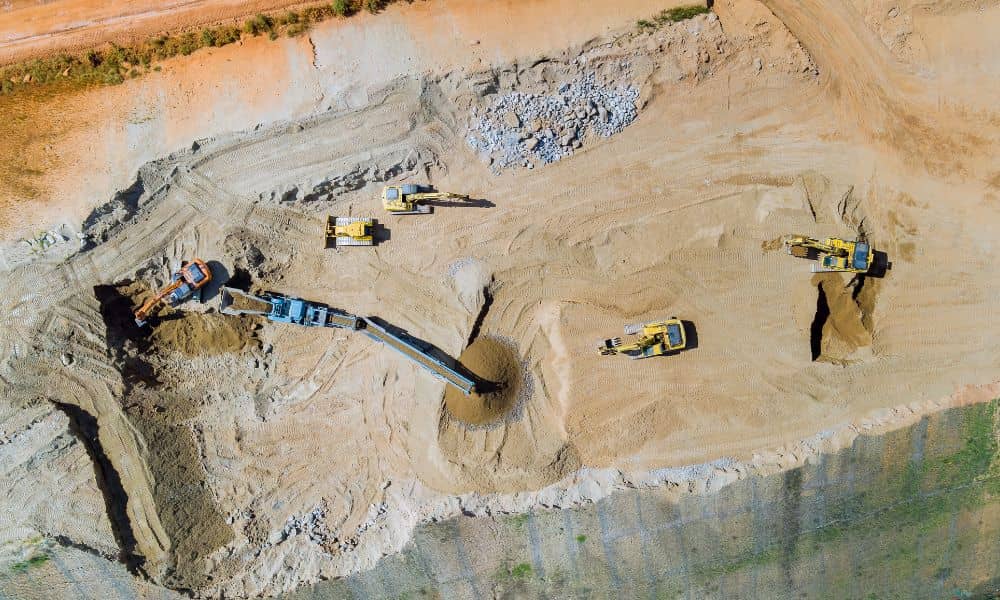
When a market heats up, developers who move fast win more projects. They begin their engineering work early, ask the right questions, and avoid costly surprises. Even simple steps, like checking slopes, utilities, or drainage patterns early, can save months later. During busy years, those months matter.
More Projects Also Mean More Pressure on the City
Colorado Springs is used to growth, but a sharp increase like this puts stress on the entire review system. Stormwater reviewers, roadway engineers, and utility departments will all see more applications. As the number of projects grows, reviews slow down.
This means your plans must be complete, clear, and ready for approval the first time. Small mistakes can push your project to the back of the line. Missing drainage notes, unclear traffic access, or incomplete grading details already cause delays in normal years. In a boom year, delays last even longer.
Because of this, developers need to work with land development engineers who understand local standards and know how the review process works. Good engineering keeps your project moving.
Stormwater Planning Becomes Even More Important
When a city grows fast, the amount of paved area grows too. More pavement means more runoff, and Colorado Springs already gets sudden heavy rainstorms. This makes stormwater planning a major part of any project.
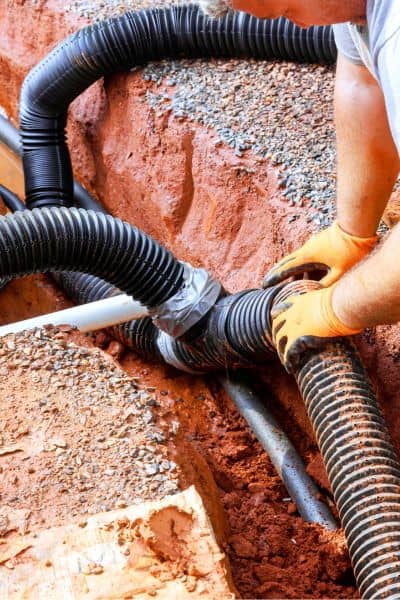
Stormwater layouts decide where water flows, how fast it moves, and where it settles. They protect your project from flood risks and protect nearby neighborhoods from extra runoff. In fast-growing years, even small mistakes in stormwater design can turn into big problems.
As more land gets developed, detention ponds get larger, channels need upgrades, and culverts must be sized correctly. When several projects develop at once, all this water enters the same system. That is why careful stormwater design is one of the most important pieces of land development planning.
Roadway and Traffic Impacts Get Harder to Ignore
More construction brings more cars. New subdivisions and commercial centers draw daily traffic, delivery trucks, and service vehicles. Since so many new projects may start at the same time, traffic engineers will ask for more studies and clearer roadway layouts.
Developers should expect:
- Updated access points
- Turn-lane improvements
- Safer walkways
- Better connections to nearby intersections
If your plans do not include these updates, they may get rejected. During fast growth, these requirements become even stricter because roads fill up quickly.
Utility Coordination Can Slow Everything Down
Another challenge during rising project starts is utility scheduling. When demand grows, water, sewer, electric, and gas companies handle more requests. Because of this, the wait time for utility approvals or relocations increases.
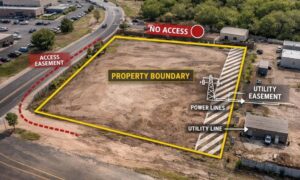
A land development plan that skips early utility checks often hits problems late in the process. That slows everything down. Early planning helps avoid this. Good engineers talk to utility companies early, confirm available capacity, and find problem areas before the plan reaches the city.
During a boom, that step keeps your project from getting stuck behind others.
Why Developers Need To Plan Earlier Than Ever
With all these moving parts, early planning becomes the most important part of running a project.
Since many developers will try to get their plans approved at the same time, you must begin land development planning earlier. This includes:
- Simple layouts
- Early grading ideas
- Drainage checks
- Utility research
- Traffic access planning
These steps help you avoid issues that normally appear later. When the market grows fast, late surprises cost more time and money.
Planning early gives you more control over the schedule and increases your chances of starting construction on time.
The Advantage of Working With a Local Land Development Engineer
During high-growth years, developers look for engineering teams who know how to work with the city. A local land development engineer understands the soil, slopes, drainage patterns, and review expectations. That knowledge helps projects move forward with fewer delays.
A strong engineering partner helps you:
- Predict stormwater needs
- Choose grading approaches
- Prepare clear plans
- Coordinate early with utilities
- Avoid redesigns that slow you down
As competition rises, strong engineering becomes a major advantage.
What This Means for Developers
This new growth forecast shows that Colorado Springs is ready for major change. New homes, commercial sites, and roads will shape the city for years. Developers who plan well will stand out from those who react late.
Rising projects start to create opportunities, but those opportunities only turn into results when planning stays ahead of the crowd. If you understand how growth affects permitting, drainage, traffic, and utilities, your project will move faster and face fewer setbacks.
Conclusion
Colorado Springs is entering a large period of expansion. With construction starts expected to surge, developers must think ahead, plan early, and work with the right engineering team. Land development plays a key role in every project, and the next few years will reward those who prepare early.
If you’re ready to start a project, now is the time to plan. The sooner you begin your land development steps, the smoother your path will be from design to construction.