If you live or work in Colorado Springs, you can feel that this week is different on the roads. Lane closures across key areas slow traffic and change normal routes. These closures come from the Military Access, Mobility & Safety Improvement Project (MAMSIP), running from December 5 to 12, 2025. Moments like this show why traffic engineers play such a big role in keeping the city moving. Their work stands behind every detour, signal change, and warning we see during busy construction weeks.
Roadwork might feel frustrating, but it connects to a larger story about how Colorado Springs grows. More people move here every year. With that growth comes heavier traffic, more pressure on roads, and higher safety needs. This week’s lane closures show how traffic engineers guide the city through these changes while trying to reduce stress for drivers.
Why MAMSIP Matters to Colorado Springs
The lane closures link to MAMSIP, one of the most important mobility projects in the area. It focuses on roads that serve both local commuters and military members near Fort Carson. Because these roads get heavy use, the Colorado Department of Transportation wants to upgrade them now instead of waiting for problems to grow.
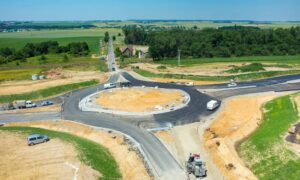
MAMSIP includes wider roads, safer intersections, better signals, and updates to lighting and drainage. Even though these upgrades sound simple, they affect how thousands of drivers move each day. Since the work sits on major corridors, people notice the changes right away.
Still, these upgrades bring long-term benefits. Wider roads reduce slowdowns. Better lighting and signals help prevent crashes. Stronger intersections support new neighborhoods. Each part works toward safer and smoother travel for years to come.
How Traffic Engineers Help the City Move During Closures

Most people only see cones, trucks, and flashing signs during construction. But behind all that, many hours of planning take place. That is where traffic engineers come in. Their work shapes how a project unfolds while keeping people safe.
Traffic engineers study how cars move through an area. They look at busy hours, turning points, school drop-offs, work traffic, and military schedules. Because of this, they know when one closed lane may cause a major backup. They also know where to place detours so drivers do not get stuck.
During a busy week like this, traffic engineers do more than draw plans. They visit sites, talk with crews, and make new decisions on the spot. For example, if a detour backs up too fast, they change signal timing. If a crew needs more room, they shift barriers. These quick choices help prevent traffic jams and keep people safe.
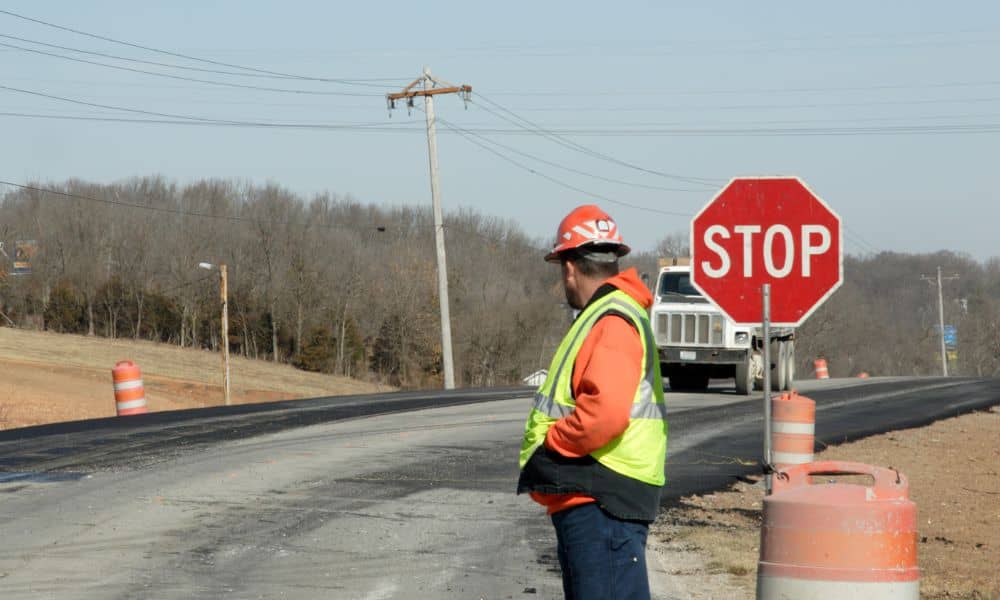
Their work also protects workers on the job. Traffic engineers set up safe work zones so both drivers and crews stay protected. Strong lighting, clear signs, and well-marked lanes reduce risks that rise when heavy equipment sits near moving cars.
What Residents Should Expect This Week
Because the lane closures sit on key corridors, drivers should expect slower travel. Delays may be longer than usual, especially during morning and evening rush hours. If your route takes you near Fort Carson or along major access roads, you will likely feel the biggest impact.
Even so, you can manage the slowdowns. Leaving earlier helps avoid stress. Checking CDOT updates shows which areas change each day. Since construction moves fast, plans may shift often.
Drivers should stay alert near work zones. Many people speed through them, but slowing down protects crews and prevents crashes. Careful driving also helps the project stay on schedule. When work zones run smoothly, crews finish faster, and lanes open sooner. So even though slowing down feels annoying, it helps everyone get back to normal quicker.
Why Colorado Springs Needs These Upgrades Now
Some people wonder why the city works on roads during busy times. The answer is simple: demand keeps rising. Colorado Springs has grown quickly over the last decade. New neighborhoods, new stores, and new projects bring more cars to already-busy roads. Without upgrades, traffic problems build faster than the city can handle.
Roads also age. Many parts of the city rely on old infrastructure that needs updates to meet today’s safety standards. When you combine older roads with heavy traffic, the need for upgrades becomes clear.
These improvements also help businesses and future growth. Better road design supports safer entrances, easier access, and smoother traffic flow. All this supports economic growth. When people and goods move easily, the whole city benefits.
Challenges Traffic Engineers Face During Projects Like This
Even with strong planning, construction weeks bring many challenges. Traffic engineers balance several moving parts at once. They must keep roads open as much as possible while giving crews enough space to work safely. They coordinate with utility teams, city staff, CDOT officials, and emergency crews. And they do this while keeping drivers informed and less frustrated.
Weather also makes things harder. Snow or cold weather can slow progress. When that happens, traffic engineers must adjust schedules and redo plans fast. These sudden changes show how much problem-solving their job requires.
They also hear feedback from drivers. People often feel annoyed by delays. But traffic engineers look at that feedback to improve detours, add more signs, or adjust signals. Even though the job is tough, their goal stays the same: keep the community moving.
What This Means for Local Developers and Businesses
For builders, developers, and business owners, this week offers an important reminder. Traffic flow matters in every project. When developments lack strong traffic planning early on, permit delays and redesigns often follow. Working with a traffic engineer from the start prevents these issues.
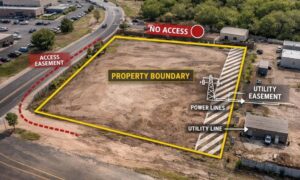
Traffic engineers help design access points, plan safe entrances, and study how a new building affects nearby roads. They know how CDOT reviews projects and what local rules require. Because of this, they help reduce surprises during the approval stage.
Good planning saves money, protects timelines, and supports long-term growth. Whether you plan a subdivision, a commercial project, or a site plan, having a traffic engineer involved early makes a huge difference.
A Short-Term Delay for Long-Term Mobility
Lane closures always feel inconvenient, but they show progress. Colorado Springs continues to invest in safer and smarter roads. This week’s MAMSIP closures help move that work forward. Even though traffic slows for a few days, the long-term results bring smoother travel and safer roads.
As you drive through detours and work zones this week, take a moment to notice the people behind the scenes. Traffic engineers guide every detail to keep the city moving. Their work brings better mobility and a stronger future for Colorado Springs.