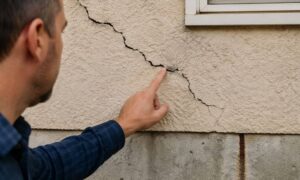

You notice a crack on your wall. Then another one shows up near a window. A few weeks later, a thin line runs along the floor. At first, it felt small. Maybe just normal settling. But then you start wondering if something bigger is going on. This happens a lot in Colorado Springs. Homes here sit on soil that moves more than people expect. Weather shifts don’t help either. One season is dry, then the next brings rain or snow. That back-and-forth can push and pull on your foundation. Now comes the hard part. You call a repair company, and they give you a quote. Then you call another one, and the advice sounds different. One says you need piers. Another says injection will fix it. So who is right? That’s where a structural engineer comes in.
What Foundation Cracks Can Tell You
Not all cracks mean the same thing. Some are harmless, while others point to movement under your home.
Hairline cracks are common. These usually show up as concrete dries. They stay thin and don’t grow much.
Vertical cracks can also be normal, especially if they stay small. Still, keep an eye on them over time.
Stair-step cracks in brick look like a zigzag pattern. This often means part of the ground has shifted.
Horizontal cracks raise more concern. These can signal pressure pushing against the wall.
Cracks that get wider or longer need attention. That usually means the movement is still active.
If you’re not sure what you’re looking at, that’s okay. Most people aren’t. At some point, it helps to have someone who deals with this every day. That’s when a structural engineer for foundation cracks can give you a clearer picture of what’s really going on.
Why This Happens So Often in Colorado Springs
The ground here moves. That’s the short version.
In many parts of Colorado, the soil expands when it gets wet and shrinks when it dries out. That constant change can push parts of a foundation up or let them settle unevenly.
The weather makes it more noticeable. A long dry stretch pulls moisture out of the ground, then a storm comes in and the soil swells again.
Winter adds another layer. As the ground freezes and thaws, it shifts just enough to affect how your home sits over time.
Drainage plays a big role too. Water that collects near the foundation softens the soil and creates uneven support. When that keeps happening, it often means the water isn’t draining away like it should, and a property survey for drainage can help show where it’s getting stuck.
All of this adds up. Cracks are not unusual in this area, but they still need the right kind of attention.
The Trap of Going Straight to a Repair Quote
Most homeowners do the same thing. They call a repair company first.
That makes sense. You see damage, so you look for someone who can fix it.
The problem is simple. Repair companies sell repairs. They look at your home through that lens.
One company might suggest piers. Another might suggest sealing cracks. A third might recommend both.
Now you have three answers and no clear direction.
This is where many people spend money on work they didn’t need. Or they fix the wrong issue and watch the cracks come back.
When You Should Call a Structural Engineer
There are clear signs that tell you it’s time to bring in a structural engineer.
If cracks are wider than a quarter inch, get them checked.
If you see horizontal cracks or stair-step patterns in brick, don’t wait.
If doors or windows start sticking, that can mean the frame has shifted.
If floors feel uneven, the foundation may not be level anymore.
If cracks show up after heavy rain or a long dry period, the soil could be moving.
If you already paid for repairs and the problem came back, something got missed.
A structural engineer looks at the cause, not just the surface.
What a Structural Engineer Actually Does
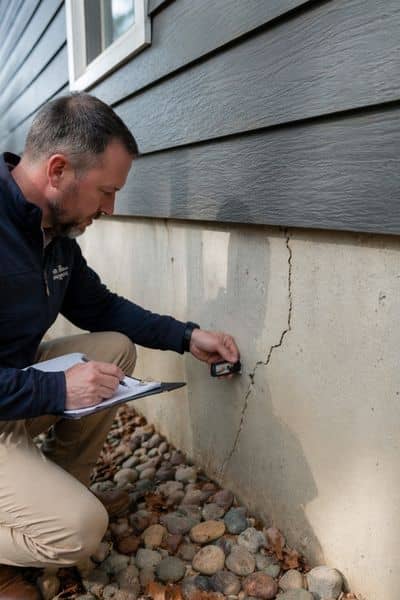
A structural engineer does not sell repairs. That alone changes everything.
They study how your home sits on the ground. They check how weight moves through the structure. They look at where stress builds up.
They also look at drainage and how water moves around your home.
Most importantly, they decide if the issue is active or stable. That tells you if things are getting worse or staying the same.
You get a clear answer. You also get a report that explains what is going on and what to do next.
A Common Situation Homeowners Face
Picture this.
A homeowner finds cracks near the garage and along a wall. They call two repair companies.
One suggests installing piers along one side of the home. The other recommends sealing the cracks and watching them.
That’s a big difference in cost and scope.
They bring in a structural engineer. After a full check, the engineer finds poor drainage near the foundation. Water collects during storms and softens the soil.
The fix is simple. Improve drainage and move water away from the home.
No piers needed. No major repair.
That kind of clarity saves money and stress.
Why This Step Can Save You Money
Paying for a structural engineer may feel like an extra step. In reality, it often cuts costs.
You avoid work that doesn’t fix the real issue. You also avoid doing the same repair twice.
If repairs are needed, you know exactly what to approve. You can compare quotes with confidence.
Instead of guessing, you follow a plan based on how your home actually behaves.
What Happens After the Evaluation
Sometimes the result is simple. The cracks are cosmetic, and you just monitor them.
Other times, you need changes around the home. That could mean better drainage or soil control.
If the foundation needs work, you now have a clear scope. Contractors follow that plan instead of making their own guesses.
You stay in control of the process.
Don’t Wait Too Long
Small cracks can stay small. They can also grow.
Waiting makes it harder to tell what caused the problem. It can also raise the cost if the issue spreads.
A quick check gives you peace of mind. It also gives you time to act before things get worse.
Get Clear Answers Before You Spend on Repairs
Cracks can be harmless. They can also signal movement that needs attention.
The hard part is knowing which is which.
A structural engineer gives you that answer. You stop guessing. You stop relying on mixed opinions.
You make decisions based on how your home actually performs.
And that’s the difference between fixing a symptom and fixing the real problem.