Planning a new project sounds exciting at first. You picture the building, the layout, and how everything will come together. However, many people in Colorado Springs run into something unexpected along the way. The city may ask for a traffic engineer before you can move forward, and suddenly you start wondering what this means for your project.
At first, that can feel confusing. After all, you are building on your own land. So why does traffic matter?
The answer is simple. Your project does not exist on its own. It connects to roads, and those roads connect to the rest of the city. Because of that, even a small development can affect how people move around the area.
That’s why traffic planning plays a bigger role today than it did before.
Why Traffic Is Part of Site Development Now
Colorado Springs continues to grow. New homes, shops, and buildings appear every year. As a result, more cars use the same roads.
Because of this growth, the city takes a closer look at how each project fits into the road system. Even if your project seems small, it can still change how traffic flows nearby.
For example, a new driveway may seem simple. However, if it connects to a busy road, it can create safety concerns. Cars may slow down, turn unexpectedly, or block other drivers.
So, instead of waiting for problems, the city reviews these details early. That is where a traffic engineer becomes important.
What a Traffic Engineer Really Helps With
A traffic engineer looks at how your site connects to the outside world. They study how cars enter, move through, and leave your property. As they do that, they also pay close attention to your property boundaries and site layout, since these details affect how everything fits together.
This is not about the whole city. Instead, it focuses on your specific site and how it works day to day. For example, they think about whether drivers can turn in safely, if traffic might back up during busy hours, and whether there is enough space for cars to move around without problems.
Because of this, their work helps your project run smoothly from the very beginning.
When Traffic Becomes Part of Your Project
Many people assume traffic planning only applies to large projects. However, that is not always true.
In fact, traffic review often comes up when your project starts to affect nearby roads.
If your site connects to a main road, the city will likely look closely at your access point. Even one entrance can change how traffic moves in that area. So, a traffic engineer may be needed to design it correctly.
The same idea applies when you build more than one home. A single house may not raise concerns. However, a group of homes adds more daily trips. Because of that, the city may want to understand how those trips affect nearby streets.
Commercial projects take this even further. Stores, offices, and mixed-use spaces bring steady traffic throughout the day. Customers arrive, deliveries happen, and employees come and go. All of this adds pressure to nearby roads, so traffic planning becomes a key part of approval.
Sometimes, the issue is not size but location. If your property has limited space for entry or sits near an intersection, things can get tricky. Drivers need clear visibility and safe turning space. When those conditions are tight, a traffic engineer helps find a workable solution.
In some cases, the city may go a step further and ask for a traffic impact study. This study looks at how your project affects nearby roads over time. It may sound complex, but it simply helps the city understand the bigger picture before giving approval.
How This Affects Your Timeline
One of the biggest surprises for developers is how much traffic planning can affect timing.
Many projects move forward smoothly until the city reviews access and traffic details. If something does not meet their standards, they may ask for changes. That can lead to redesigns, delays, and extra costs.
On the other hand, when traffic is addressed early, the process becomes much easier. Plans move through review faster, and fewer changes are needed later.
So, instead of seeing traffic engineering as an extra step, it helps to think of it as part of getting approved without problems.
Why Early Planning Makes a Big Difference
It is tempting to wait until the city asks for a traffic engineer. However, that approach often creates more work later.
When traffic issues appear after submission, fixing them can affect your entire layout. You may need to move driveways, adjust parking, or change how vehicles move through the site.
That is why early planning matters.
By bringing in a traffic engineer at the start, you can spot issues before they grow. You can design your site with traffic in mind from the beginning. As a result, your plans are stronger when you submit them.
How Traffic Engineers Fit Into Your Project Team
A traffic engineer does not work alone. Instead, they are part of a larger team that helps bring your project to life.
They often work with civil engineers and site planners to make sure everything fits together. While others focus on grading, utilities, and layout, the traffic engineer focuses on movement and access.
Because of this teamwork, your project becomes more complete. Each part supports the others, and fewer problems appear during review.
What to Expect If You Hire a Traffic Engineer
The process is more straightforward than most people expect.
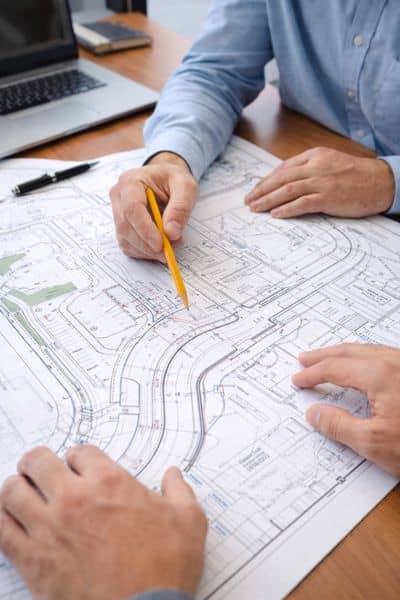
First, the traffic engineer looks at your plans and your site. Then, they study how vehicles will move in and out. After that, they suggest improvements if needed.
If the city requires a study or report, they prepare it for you. They also help respond to any questions during the approval process.
Throughout this process, their goal stays the same. They help your project move forward without delays.
Final Thoughts
Site development involves more than just building on land. It also involves how your project connects to the world around it.
In a growing city like Colorado Springs, that connection matters more than ever.
A traffic engineer helps make sure your site works safely, meets city requirements, and stays on track. More importantly, they help you avoid problems before they start.
So, if your project involves road access, multiple units, or steady traffic, it is smart to think about this early.
In the end, a little planning now can save you a lot of time later.