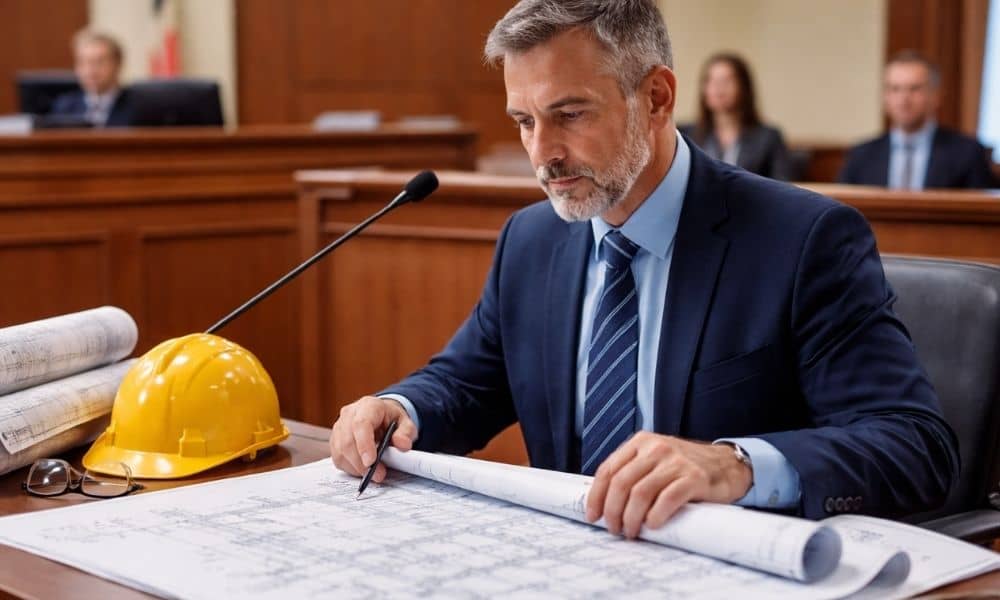
When a building fails, a road cracks, or a construction project turns into a lawsuit, the case often depends on one person: the engineering expert witness.
However, in Colorado courts, strong technical skill does not mean the expert will automatically testify. Before a jury hears anything, a judge must decide if the testimony meets Rule 702 standards. If the judge blocks the expert, the case can weaken quickly. Because of that, both lawyers and clients must understand what it takes to survive a Rule 702 challenge.
This is not only about having a license or years of work. It is about clear thinking, careful work, and strong engineering practice.
What Rule 702 Means for an Engineering Expert Witness
Rule 702 gives judges the job of gatekeeper. In simple terms, the judge decides if the expert is qualified, if the opinion is based on enough facts, if the method is reliable, and if the expert used that method correctly.
This may sound simple. Yet courts do not stop at resumes or job titles. Instead, they look closely at how the engineering expert witness reached each opinion. Judges want to see clear steps between the facts and the final conclusion.
Because of that, the expert must think about admissibility from the start of the case.
Why Colorado Courts Review Experts More Carefully
In recent years, courts across the country have looked more closely at expert testimony. As a result, judges now study expert reports with greater care. Colorado courts follow this same approach.
That means an engineering expert witness cannot rely only on reputation. The report must show real data, trusted standards, and clear logic. If the opinion seems rushed or unsupported, the judge may refuse to allow it.
Therefore, careful work matters more than ever.
Experience Helps, but the Right Experience Matters More
Many engineers believe that long careers will protect them in court. Experience helps. However, courts want experience that matches the exact issue in the case.
For example, a structural engineer who designs houses every day may not qualify to testify about a bridge collapse without direct bridge work. In the same way, a civil engineer who focuses on land grading may not qualify to speak about highway safety unless they have worked in that area.
Because of this, the engineering expert witness must show direct knowledge in the same field as the dispute. Judges look for relevance, not just years of service.
Strong Engineering Methods Make the Difference
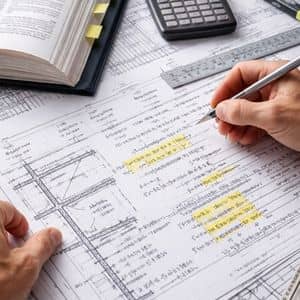
A strong engineering expert witness builds each opinion on accepted industry standards. Courts expect to see building codes, trusted formulas, and clear inspection notes.
For example, if the expert says a structure failed due to design error, the report must show how the code or math supports that claim. Judges want to see the clear path from fact to opinion. If that path is unclear, the testimony may not survive.
In addition, every assumption must make sense. The expert should explain why they relied on certain data and how they checked it. When the reasoning stays clear, the testimony grows stronger.
Using the Method the Right Way Is Just as Important
Even a good method can fail if the expert applies it the wrong way. For instance, an engineering expert witness may use the correct formula but rely on wrong site measurements. That small mistake can weaken the whole opinion.
Because of this, careful review becomes very important. Strong experts check numbers twice, confirm site conditions, and write down each step. When cross-examination begins, those details protect their credibility.
Also, consistency builds trust. If the written report says one thing and the expert says something different in court, the judge will notice. Clear and steady answers help the testimony survive.
Clear Communication Builds Trust in Court
Technical skill alone does not win Rule 702 hearings. Judges and juries must understand the expert’s reasoning.
An engineering expert witness should explain complex ideas in simple words. That does not reduce quality. Instead, it helps people understand what really happened.
For example, instead of using long technical terms, the expert can explain that a wall could not handle sideways force, which caused cracks and failure. Simple explanations show confidence. As a result, judges see a professional who understands both engineering and the courtroom.
Preparation Starts at the Beginning
Surviving a Rule 702 challenge does not start at trial. It starts when the expert takes the case.
From the beginning, the engineering expert witness should review all documents carefully, inspect the site if possible, and gather correct data. Clear notes and photos support later testimony. In addition, early work with the lawyer helps shape the report around the real legal issues.
When preparation starts early, problems become easier to manage later.
The Risk of Exclusion Is Serious
Some clients do not think about what happens if the expert gets excluded. However, if the court blocks the engineering expert witness, the case can lose its technical support. Settlement power may drop. Costs may rise. In some cases, the claim may even fail.
Because of that, admissibility should guide the expert’s work from day one.
Courtroom Readiness Is Part of Being a True Professional
Engineering depends on logic, safety, and careful thinking. Court testimony requires the same values.
A strong engineering expert witness combines technical skill with legal awareness. They rely on trusted standards, document carefully, and explain clearly. They expect a close review and prepare for it.
In Colorado courts, Rule 702 protects fairness. Experts who build their opinions on solid facts and clear reasoning stand the best chance of surviving a challenge.
In the end, success does not depend on bold words or impressive titles. It depends on proof, careful work, and clear explanation. When an engineering expert witness follows those principles, Rule 702 becomes less of a barrier and more of a standard they are ready to meet.