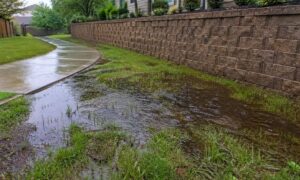
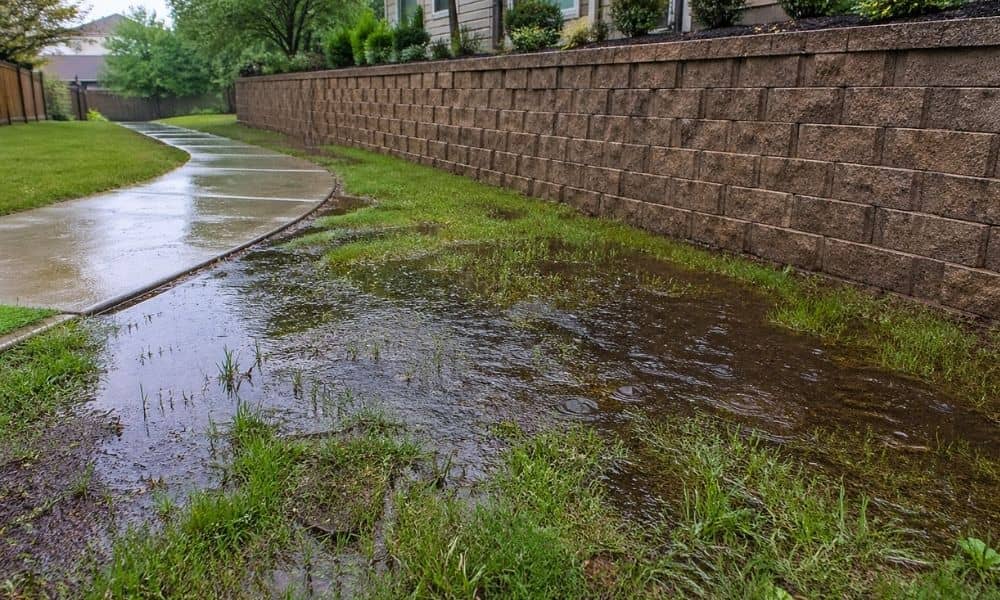
You step outside after a storm and notice something off. Water sits in your yard longer than it used to. The ground feels soft. Then you see it. The water is coming from the direction of your neighbor’s retaining wall.
At first, it feels like a simple issue. Maybe it was just a heavy rain. But then it happens again. And again. Soon, it’s clear this is not random. Something changed, and now your property is taking the hit.
This situation comes up more often than people think. Homeowners talk about it online all the time. Most feel stuck. They don’t know who caused it or how to fix it.
That’s where engineering services come in.
How a Retaining Wall Can Shift Water Flow
A retaining wall holds back soil. That part is obvious. What many people miss is what happens to water once the wall goes in.
Water follows the path of least resistance. Before the wall, it may have spread across a wider area. After the wall, that path can change. Instead of spreading out, water can move faster in one direction.
If the wall does not handle drainage well, water builds up behind it. Then it has to go somewhere. Often, it finds the lowest nearby point, which may be your yard.
Over time, that small change turns into a real problem.
What You Might Notice First
The signs usually start small. Then they become harder to ignore.
You may see water pooling along the edge of your property. That area stays wet even after the rest of your yard dries. You might also notice soil washing away or small channels forming in the dirt.
Sometimes, the problem shows up after a neighbor finishes a project. A new wall goes in, and a few weeks later, your yard starts holding water.
It does not take long before the issue affects how you use your space. Grass dies. Mud builds up. In worse cases, water moves closer to your home.
Why These Situations Get Tense Fast
No one likes dealing with a neighbor problem. Still, water issues tend to push people there.
You might think the wall caused the flooding. Your neighbor may think the rain is to blame. Without clear proof, both sides make guesses.
Some homeowners try quick fixes. They dig small trenches or move soil around. That can shift the water, but it rarely solves the root problem. In some cases, it makes things worse.
As the issue keeps coming back, frustration builds. What started as a drainage issue turns into a conflict.
What Engineering Services Actually Look At
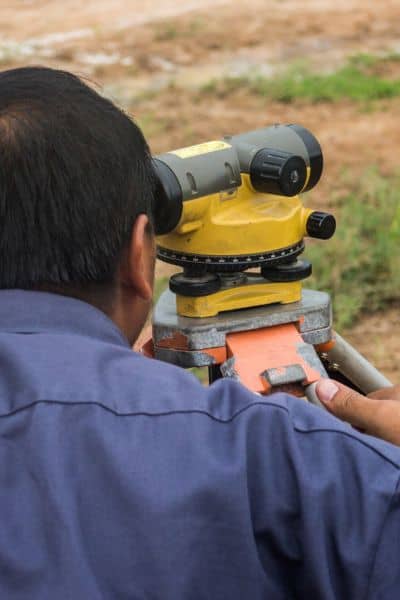
This is where things change. Instead of guessing, an engineer studies what is really happening on the ground.
They look at how water moves across both properties. They check slopes, low points, and areas where water collects. They also review how the retaining wall affects that flow.
Then they look at the wall itself. Does it allow water to pass through? Is water building up behind it? Is runoff being pushed toward your yard?
They also study the soil. Wet soil behaves very differently from dry soil. If the ground stays saturated, it can shift, erode, or carry water farther than expected.
This step matters. Without it, you are working off guesses.
How Engineering Services Help Fix the Problem
Once the source is clear, the solution becomes much easier to plan.
The goal is not to block water. Water always finds a way around obstacles. Instead, the goal is to guide it to a safe place.
An engineer may suggest changes that spread water out again. In other cases, they may recommend a controlled path that moves water away from both properties.
They can also provide clear documentation. That helps when talking to neighbors, contractors, or local officials. Everyone works from the same facts instead of opinions.
Most importantly, the fix lasts. You are not patching the problem every time it rains.
Why DIY Fixes Fall Short
It is tempting to handle the issue yourself. A quick trench or pile of soil feels like progress.
The problem is that water does not stay still. When you block one path, it moves to another. That new path can create a bigger issue somewhere else.
Some fixes even push water back toward the neighbor. That leads to more tension. In the worst case, both sides end up with damage.
Short-term fixes often cost less upfront. Over time, they cost more because the problem never fully goes away.
When It’s Time to Call Engineering Services
You do not need to wait until things get severe.
If the problem shows up more than once, it is already a pattern. If water reaches areas that used to stay dry, something changed. If you are not sure where the water starts, that is another clear sign.
It also helps to bring in an engineer before the situation turns into a dispute. Clear findings early on can prevent bigger problems later.
Why Acting Early Makes a Difference
Water damage builds slowly, then all at once. A few small storms may not seem like a big deal. Over time, the ground weakens, and damage spreads.
This is common in areas like Colorado Springs, where slopes and elevation changes can shift water in unexpected ways.
Fixing the issue early protects your yard, your home, and your peace of mind. It also gives you a clear path forward instead of trial and error.
Most people wait too long. By the time they act, the fix becomes more involved than it needed to be.
This Is a Site Problem, Not Just a Neighbor Problem
It is easy to see this as a personal issue. One property affects another, and emotions get involved.
In reality, the root cause sits in how the land and structures handle water. Once you look at it that way, the solution becomes clearer.
Engineering services focus on that bigger picture. They take a problem that feels messy and turn it into something you can understand and fix.
If the problem keeps coming back, it is worth having someone take a closer look before it gets worse.