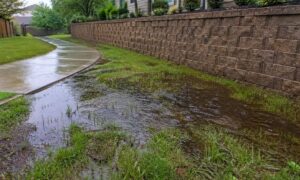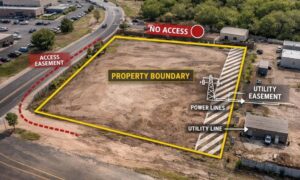
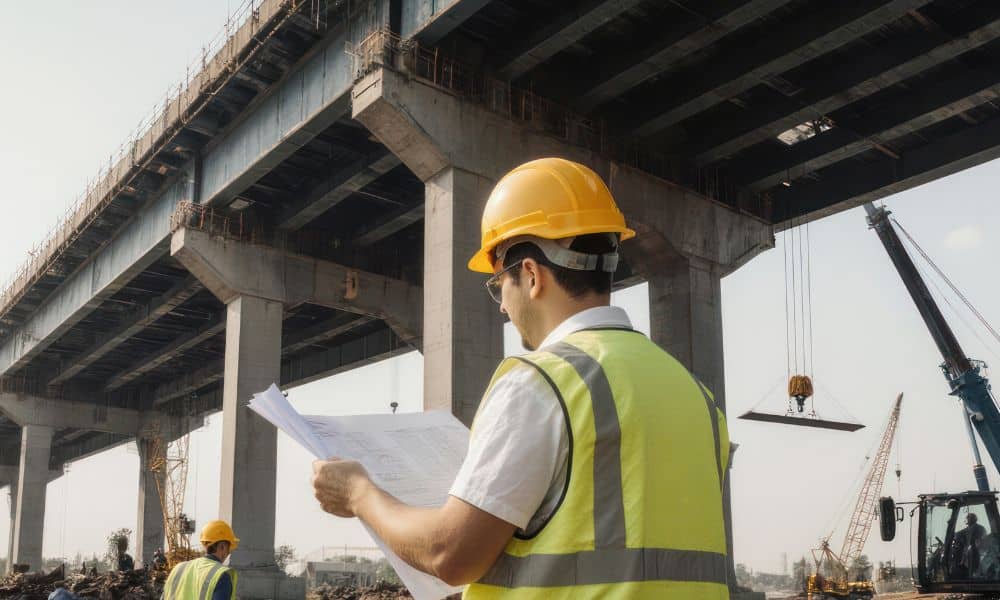
Big news just hit Colorado. Denver voters approved a $1 billion bond to fix roads, sidewalks, drainage systems, and public buildings. It’s one of the largest city projects in years and is already getting attention from engineers. For teams that work in stormwater design, this means a lot of new chances. Every new street, park, or building needs good plans for how rainwater will move, drain, and stay clean before it reaches rivers and homes.
A Huge Boost for Public Projects
The “Vibrant Denver” bond, passed on November 5, 2025, includes about 90 projects across the city. The mayor said construction starts within 24 hours, and each job will go to open bidding.
Over the next few months, city departments, engineers, and builders will rush to win contracts. Projects will include new sidewalks, public health centers, and utility work.
This affects Colorado Springs firms, too. As Denver starts more projects, it will need more help from nearby cities. Firms along the I-25 corridor that know stormwater design can team up with bigger companies or take on local work tied to the same funding push.
Why Stormwater Design Is So Important
Many people think of roads or buildings when they hear “infrastructure.” But engineers know drainage is what makes everything work.
Every project—from schools to streets—needs a solid stormwater design plan. It controls flooding, protects soil, and keeps people safe when heavy rain falls.
Cities now must use more green methods to handle runoff. Things like rain gardens, permeable pavements, and detention ponds slow down water and clean it naturally. These ideas are part of low-impact development (LID), and they’re now required in most city plans.
Firms that design systems that are both strong and attractive will stand out when new bids open.
How This Affects Colorado Springs
When Denver spends big, nearby areas feel it too.
Here’s what could happen:
- More demand for materials. As Denver buys more concrete, pipe, and rebar, prices may rise or deliveries could take longer.
- Fewer available workers. Engineers and builders might move toward Denver projects. Spring firms can win work by being closer and ready to start fast.
- More partnerships. Denver companies may need local help for grading, erosion control, and stormwater plans.
At the same time, Colorado Springs got $2.3 million in federal Urban Area Security funds to improve roads, hospitals, and utilities. That means even more projects will focus on drainage, safety, and flood prevention—all tied to stormwater design.
How Local Firms Can Prepare
You don’t have to be in Denver to benefit. Here’s how Springs firms can get ready:
- Show what you’ve done. Update your project list with stormwater designs, detention ponds, or flood-control work.
- Build local ties. Join events hosted by ACEC Colorado or AGC to meet larger firms looking for partners.
- Register early. Get listed on Denver’s vendor or MWBE databases before bids open.
- Plan for slowdowns. CDOT’s I-70 Floyd Hill project delays show that weather and traffic can affect schedules. Always leave time for changes.
Being ready early helps Springs engineers grab work before the competition does.
What Developers Should Know
If you’re a developer or property owner, now is the time to review your drainage plans. City rules will likely get stricter as regional standards rise.
Expect:
- More detailed drainage reports before getting permits.
- Stronger erosion-control rules during construction.
- New water-quality steps after building is done.
Working with a civil engineering firm that knows local stormwater design rules will save you time and money.
For cities and counties, this is a chance to add better protection—like new culverts and detention ponds—to handle future storms.
Building for the Future
Colorado weather changes fast. One week it’s dry, the next week there’s flooding. The new bond gives cities a chance to build smarter and prepare for both.
Stormwater design used to be an afterthought. Now, it’s at the center of every major project. Engineers are helping shape how cities grow, drain, and recover after heavy rain or snow.
With billions of dollars flowing into infrastructure, stormwater design will play a huge part in keeping Colorado safe and strong.
Conclusion: The Time to Act Is Now
Denver’s $1 billion bond isn’t just a local project—it’s a signal to the whole state. For engineers, it’s a chance to grow, team up, and lead the next phase of development.
By improving your stormwater design skills, finding the right partners, and getting prequalified early, your firm can ride this wave of opportunity.
If you work in stormwater design, grading, or drainage planning, now is the perfect time to help shape the future of communities—and build infrastructure that lasts.