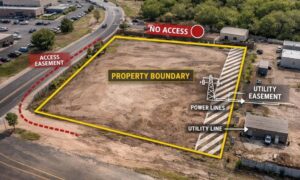

Construction delays upset everyone. Owners lose money. Builders miss deadlines. Tenants wait longer to move in. At the same time, costs keep going up. While weather and supply problems can slow work, many delays start much earlier. In most cases, problems begin during planning and design. This is where a civil engineering firm plays a key role. A good firm does more than draw plans. It finds risks early, fixes problems before they grow, and helps projects move forward. When done right, civil engineering helps projects stay on time and within budget.
Why Construction Delays Happen So Often
Delays rarely happen by luck. Most of the time, they come from missed details early in the project. Poor planning, rushed designs, and weak site checks often cause problems later.
Many project owners face the same issues. They deal with long permit waits, repeated plan changes, surprise soil or drainage problems, late utility discoveries, and redesigns after work begins. Each issue adds time, stress, and cost. However, many of these problems stay hidden until construction starts. When they appear, they slow everything down.
A skilled civil engineering firm works to stop these problems before they begin. As a result, projects move forward with fewer delays.
How Early Site Checks Prevent Delays

Every strong project starts with a clear look at the site. Still, many delays happen because early site work stays too simple.
A good civil engineering firm studies the land before design begins. This includes checking soil strength, water flow, flood risk, existing utilities, and slope changes. By doing this early, engineers avoid big surprises later. For example, soil testing may show weak ground. When engineers find this early, they change the foundation design right away. Because of this, the project avoids delays during construction.
Drainage studies also help control stormwater. When engineers understand how water moves across the site, they design systems that handle heavy rain. This helps prevent flooding, erosion, and permit rejection. Strong site checks create a safe starting point for the whole project.
Why Permit Planning Makes a Big Difference
Permits cause many construction delays. Cities require plans to meet safety, zoning, and environmental rules. If plans lack detail or clarity, reviewers send them back for changes. Each review cycle adds weeks or even months.
A good civil engineering firm designs plans with permit approval in mind. Instead of waiting for comments, engineers prepare clear drawings, reports, and calculations from the start. This careful work helps plans pass review faster.
In addition, experienced firms understand what local reviewers expect. They know which details matter most. Because of this, they avoid common mistakes that cause delays. As a result, projects move through permits with fewer problems.
How Team Coordination Prevents Design Conflicts
Many projects struggle when design teams work apart. Surveyors, soil experts, drainage designers, and traffic engineers may not share information. When this happens, conflicts appear in the plans.
For example, grading may clash with drainage design. Utility lines may cross storm pipes. Traffic plans may not fit the site layout. These problems often show up during construction, which leads to work stoppages and redesigns.
A strong civil engineering firm connects all design teams. Engineers share data, review plans together, and fix conflicts early. Because of this teamwork, the final design stays clear and organized. Better coordination leads to fewer changes, smoother construction, and fewer delays.
How Construction Support Keeps Work Moving
Engineering work should not stop once plans get approved. During construction, new issues can still appear. Contractors may find unknown utilities, soil changes, or grading problems.
Without engineering support, crews must stop and wait for answers. This downtime quickly raises costs.
A good civil engineering firm stays involved during construction. Engineers answer questions quickly, review site conditions, and adjust designs when needed. This fast support keeps crews working and helps avoid long delays. Many times, engineers catch small problems early before they grow larger.
Common Delay Problems Good Engineering Prevents
Many construction delays follow the same patterns. For example, a project may submit drainage plans without full runoff studies. Reviewers reject the design and ask for changes. Redesign takes weeks and delays construction. A skilled civil engineering firm completes full drainage work early, helping plans pass review the first time.
In another case, contractors may find soft soil that cannot support foundations. Engineers must redesign the foundation, and new permits may be needed. Construction stops for weeks or months. Early soil testing prevents this problem.
Utility conflicts also cause major delays. Water or sewer lines may cross storm pipes. Crews must stop work until engineers change the design. Equipment sits idle, and labor costs increase. Careful utility checks during design prevent these conflicts.
How a Civil Engineering Firm Protects Project Budgets
Every delay raises costs. Loan interest grows. Labor and equipment sit unused. Material prices increase. Even short delays can cause serious budget problems.
A strong civil engineering firm reduces these risks. By preventing redesign, speeding up permits, and supporting construction, engineers help projects stay on budget. In many cases, spending more on good engineering saves much more money later. Planning well costs less than fixing mistakes.
What to Look for When Hiring a Civil Engineering Firm
Not all firms provide the same results. To reduce delays, choose a firm that values planning, teamwork, and clear communication.
Ask how they find risks early, shorten permit times, help design teams work together, and support contractors during construction. Clear answers show strong systems. Weak answers often lead to future delays.
Final Thoughts:
Construction delays rarely happen by accident. They usually grow from rushed planning, weak design, and missed details.
A skilled civil engineering firm prevents these problems before they start. Through careful site checks, smart permit planning, strong teamwork, and construction support, engineers keep projects moving forward.
In the end, good engineering saves time, money, and stress. For any project, choosing the right civil engineering firm is one of the most important decisions you can make.